Share this post:
Over the years, a central heating system quietly fills with rust, scale and sludge. You do not see it happen, but you notice the results: radiators that stay cold in places, a boiler that works harder than it should and bills that creep up. This is where powerflushing can help.
This guide explains what a powerflush is, the signs that your system may need one and, just as important, when it is not the right answer. If you live in or near Rotherham and have a radiator that is not heating up, it should help you decide your next step.
What Is a Powerflush?
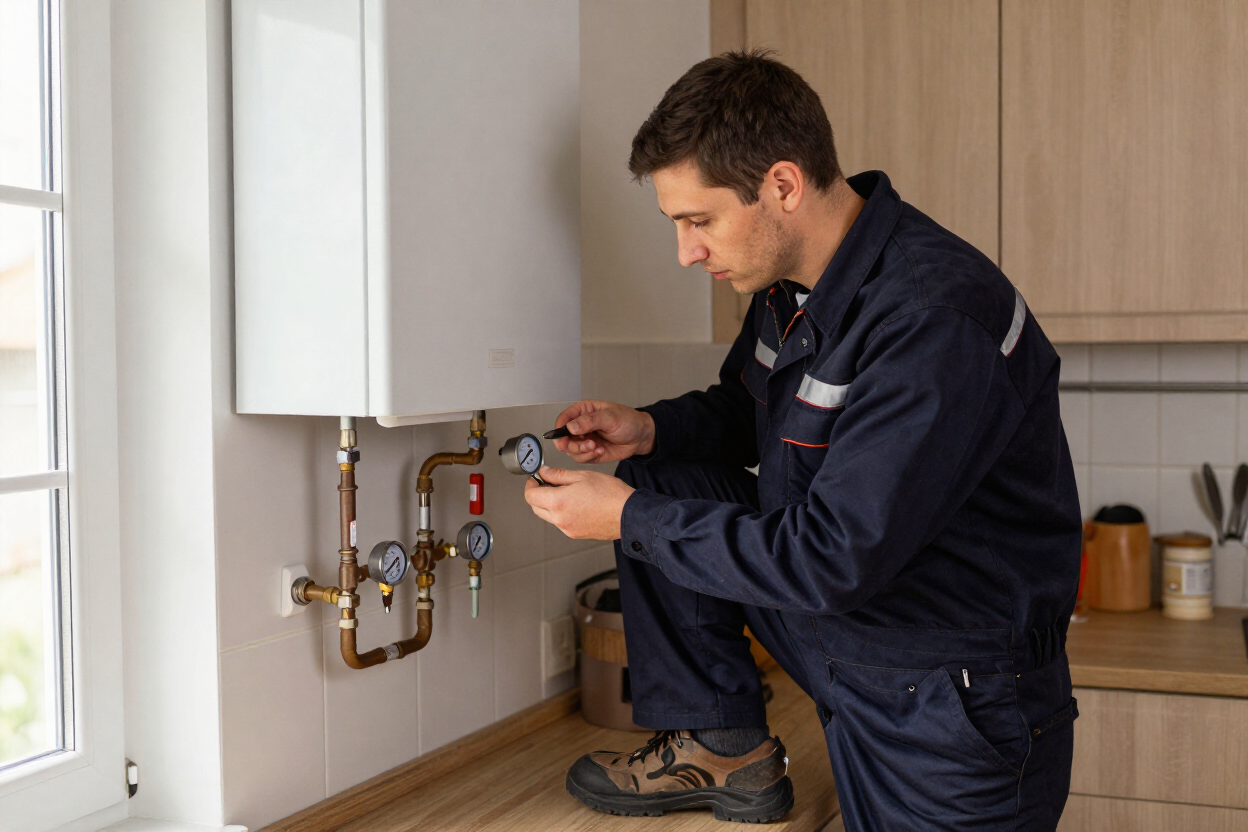
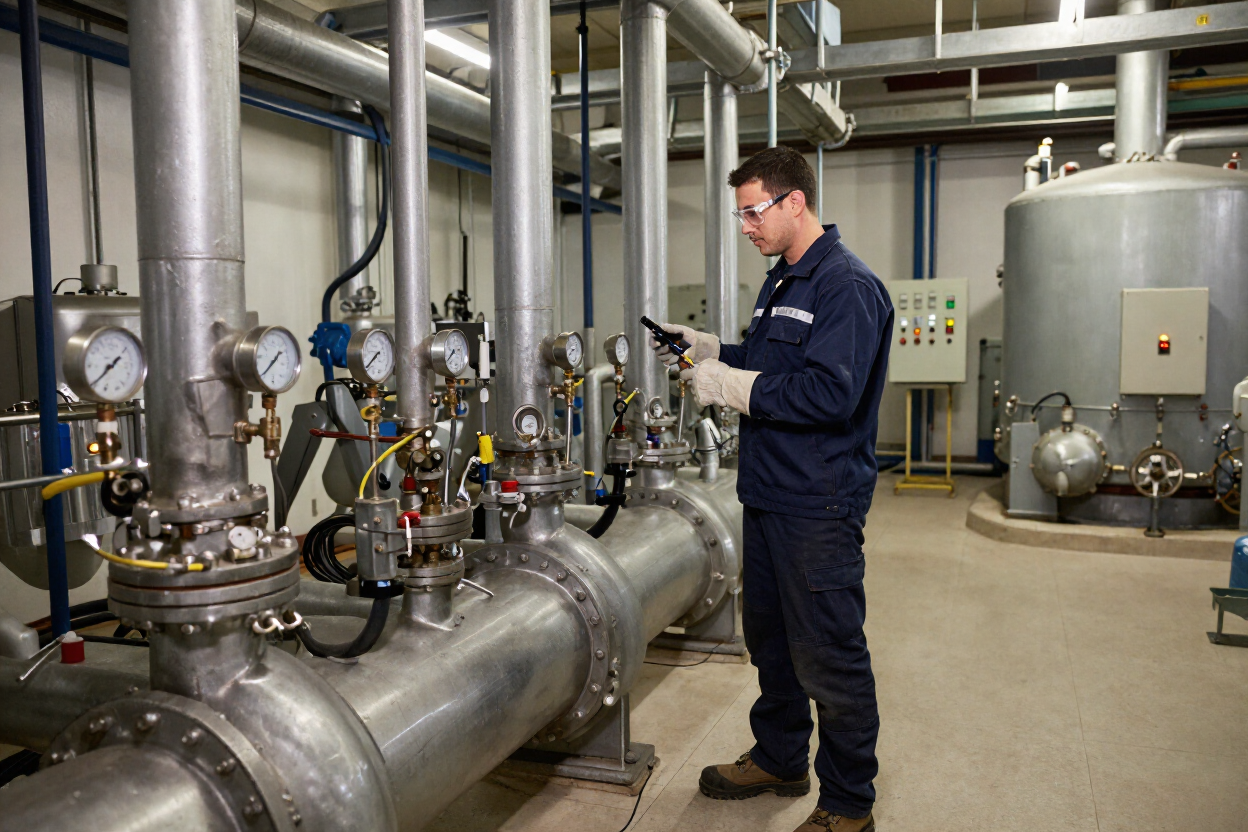
According to Which? Trusted Traders, a powerflush is a process carried out by central heating engineers to remove sludgy build-up from the boiler, pipes and radiators. A machine pushes water through the system at high speed to dislodge rust and debris, and the system is then treated with chemicals and protected with inhibitor.
The sludge is mostly iron oxide, a form of rust that forms when metal components corrode inside a water-filled system. Small particles collect in the lowest parts of radiators, in pipe bends and around the boiler's heat exchanger.
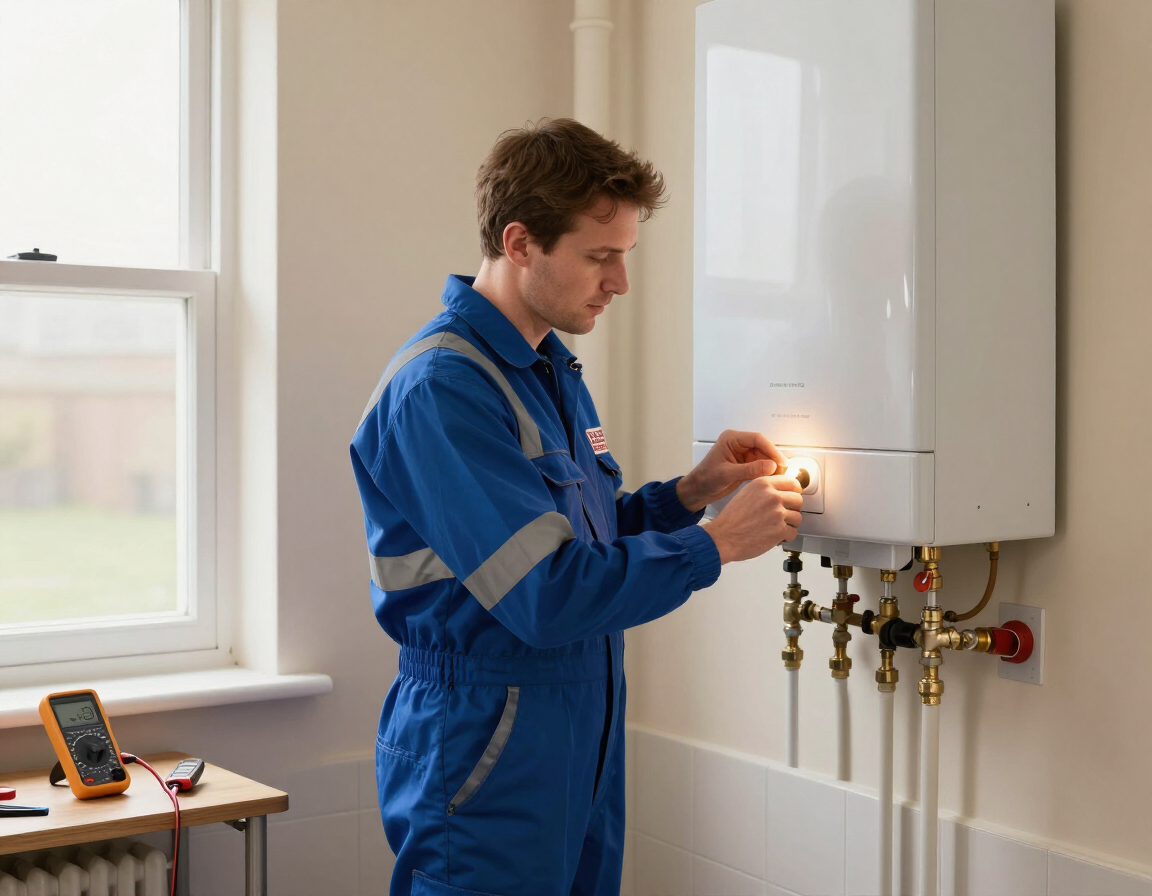
A powerflush is a job for a suitably trained heating engineer, not a DIY project. The equipment is specialist, and the process requires care and expertise to judge the condition of your radiators and pipework first. While powerflushing itself does not require Gas Safe registration, any associated gas work must be carried out by a Gas Safe registered engineer.
The Benefits of Powerflushing
When a system is clogged, everything has to work harder. Cleaning it out can bring back some of the performance that has been lost.
Better Heat and Circulation
Removing sludge lets hot water move freely again, so radiators that were cold at the bottom or in the middle can heat up more evenly. Rooms warm up faster, and the boiler may not need to run as long to reach the temperature you want.
Less Strain on the Boiler
Sludge can reduce the efficiency of the boiler and lead to breakdowns. A cleaner system puts less strain on the boiler and pump, which may help the whole installation last longer and could reduce the risk of a breakdown. It also protects any new boiler you have fitted, because debris from an old system can damage a new one.
Appropriate system cleaning is also an important step before fitting a new boiler, though a new installation does not automatically require a full powerflush—a chemical flush may be sufficient depending on the condition of the system. If you are planning a replacement, read about our boiler installations to see how we approach the whole system.
Signs Your Heating System May Need a Powerflush
Several symptoms point to sludge. Having one does not prove you need a flush, but several together are a strong hint.
- Radiators that are cold at the bottom but hot at the top
- A radiator not heating up at all, even after bleeding
- Black, dirty water when you bleed a radiator
- A noisy boiler or pipes, with banging or gurgling
- Slow heating or a boiler that runs for long periods
- Debris caught in a magnetic filter or positive results from a system-water test
If a radiator won’t heat up, trapped air or a faulty valve may be responsible. Bleeding the radiator and checking the valves are sensible first steps, and they are cheap and quick. If the problem keeps returning, sludge or a failing pump could be to blame.
Our engineers can inspect the system and tell you what is going on. Start by contacting our boiler repair team, describe the symptoms and we will advise on the best next step.
When a Powerflush Is Not the Answer
A powerflush is not a cure for every heating problem, and an honest engineer will tell you so. The Which? guide is clear that it will not repair broken boiler parts, valves damaged by sludge or a system that is losing pressure, since pressure loss usually points to a leak.
Powerflushing relies on high water flow rather than excessive pressure to clear system sludge. However, cleaning can reveal pre-existing corrosion and weak points, such as already rusting radiators that may begin to leak once clear. That is one reason a proper inspection comes first.
Recommendations to replace boilers, radiators or pipework should always be based on physical condition, ongoing faults and overall repair costs rather than age alone. That is why we look at the condition of the whole system before recommending anything.
Powerflush Cost and Radiator Replacement in Rotherham
What Affects the Cost
People often ask what a central heating powerflush costs. The honest answer is that it depends on the size of the system, the number of radiators, how badly it is clogged and how easy it is to get to the pipework. The job can take several hours or a full day, which affects the price.
Rather than quote a figure that may not suit your home, we prefer to inspect first and give you a clear price in writing. Compare that with the cost of repeated callouts, rising bills or an early boiler replacement, and the value of a clean system becomes clearer.
Radiator Replacement
If one or two radiators are badly corroded, replacing them may be better than flushing them. We can discuss radiator replacement in Rotherham alongside the rest of the system, so you only pay for what you need. Ask for a quote through our request a quote page.
A little prevention goes a long way afterwards. Inhibitor fluid protects the system from fresh corrosion, and an annual service keeps small issues from becoming expensive ones.
Frequently Asked Questions
What are the benefits of powerflushing?
It removes sludge, helps radiators heat evenly, reduces strain on the boiler and can help the system last longer.
How long does a powerflush take?
Typically several hours to a full day, depending on the size and condition of the system.
Why is my radiator not heating up?
Common causes include trapped air, a stuck valve, sludge or a failing pump. An engineer can tell which one it is.
Is a powerflush right for an old system?
Not always. For very old systems, replacing parts of the system may be more cost-effective, and flushing can expose weak radiators.
Can I do a powerflush myself?
It is not recommended. It needs specialist equipment and a suitably trained heating engineer. (Note that while powerflushing itself does not require Gas Safe registration, any related boiler or gas work does.)
Get Your Heating System Checked
A clean, well-protected system heats your home more evenly and takes pressure off the boiler. Whether that means a flush, a repair or a new radiator, the right answer starts with a proper look at what you have.
P C Kelly has looked after South Yorkshire heating systems since 1984. Our directly employed, Gas Safe registered engineers will tell you what your system needs and what it does not.
Contact P C Kelly or call 01709 837722 to arrange an inspection.
Need a trusted plumbing, heating or an aircon specialist? Contact us today
More posts like this