Share this post:
There are few things more frustrating than discovering your central heating has stopped working, especially on a cold morning in Rotherham. Before reaching for the phone, it helps to understand what commonly causes heating faults, and which of these you can safely check yourself before calling in a heating engineer.
Central heating systems fail for a fairly predictable range of reasons, from simple issues like a tripped switch or low pressure through to more serious faults requiring a Gas Safe registered engineer to diagnose and repair safely.
This guide walks through the most common causes of central heating problems, what you can reasonably check yourself, and when it is time to call in professional help.
Common Causes of Central Heating Problems
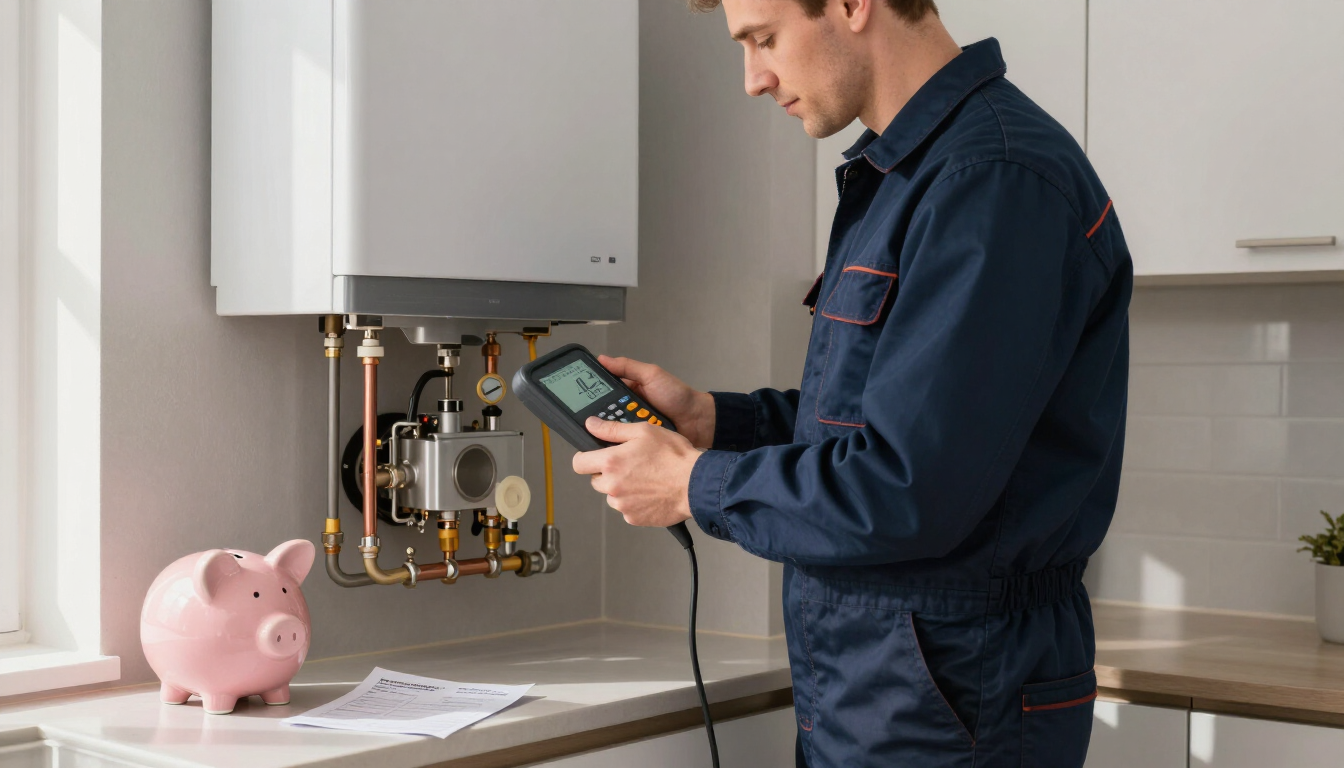
Low boiler pressure is one of the most frequent causes of heating failure, and often the easiest to fix yourself. Most modern boilers display a pressure gauge, and a reading below around 1 bar typically means the system needs topping up.
A tripped thermostat, timer fault, or simply incorrect programming can also stop heating from coming on as expected, and these issues are worth ruling out before assuming something more serious is wrong with the boiler itself.
Trapped air in radiators, causing cold spots or noisy pipes, is another common and usually straightforward issue, typically resolved by bleeding the affected radiators to release the trapped air.
Frozen Condensate Pipes in Winter
During particularly cold spells, the condensate pipe, which carries away wastewater from a modern condensing boiler, can freeze, causing the boiler to shut down as a safety measure.
This is one of the more common winter faults in Rotherham and the surrounding area, and while it can sometimes be resolved by gently thawing the affected pipe, persistent freezing may indicate the pipe needs better insulation or rerouting.
Boiler Ignition and Component Faults
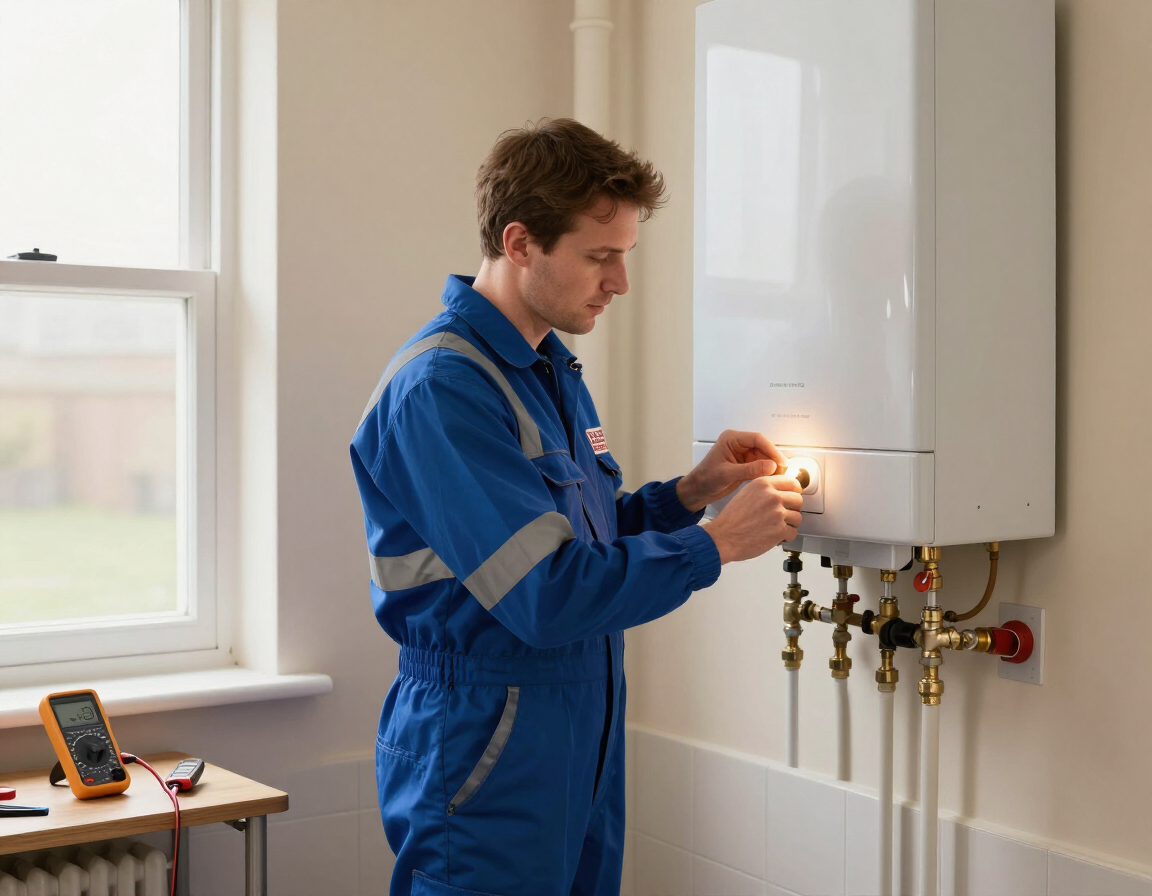
If a boiler fails to ignite at all, this can point to a range of underlying issues, from a faulty ignition lead or PCB fault through to problems with the gas supply itself, none of which should be investigated without proper training.
These faults require a Gas Safe registered engineer to diagnose and repair safely, since attempting to open up boiler components without proper qualifications is both dangerous and illegal under UK gas safety regulations.
What You Can Safely Check Yourself
Before calling an engineer, there are a few simple checks most homeowners can safely carry out themselves, potentially saving an unnecessary call-out for a straightforward issue.
Checking the boiler pressure gauge, confirming the thermostat is set correctly and has working batteries, and checking that the boiler's power supply and any isolation switches are on are all reasonable first steps.
If your boiler displays a fault code, checking the manufacturer's manual or a quick search for that specific code can sometimes clarify whether it is something simple, or a sign that you should book a repair visit promptly.
Simple checks worth trying before calling an engineer:
- Check the boiler pressure gauge and top up if it reads below 1 bar
- Confirm the thermostat is set correctly and has working batteries
- Check that the boiler's power supply and isolation switch are on
- Bleed any radiators with noticeable cold spots
- Note any fault code displayed on the boiler for reference
When to Call a Heating Engineer
If basic checks do not resolve the issue, or if you smell gas, notice scorch marks, or see a pilot light burning yellow instead of blue, stop using the boiler immediately and call a Gas Safe registered engineer without delay, since these can be signs of a genuine safety issue.
Persistent low pressure that keeps recurring after topping up, unusual noises from the boiler, or a boiler that repeatedly loses heat despite everything appearing correctly set can all indicate an underlying fault that needs professional diagnosis.
For anyone in Rotherham facing a heating breakdown, particularly during colder months, emergency call-out support is available to get your system safely back up and running as quickly as possible.
Frequently Asked Questions
Why does my boiler keep losing pressure?
Persistent pressure loss usually points to a leak somewhere in the system, even if it is not immediately visible. If topping up the pressure does not resolve the issue permanently, it is worth having a heating engineer investigate further.
Is it safe to bleed my own radiators?
Yes, bleeding a radiator is a straightforward, safe task most homeowners can do themselves with a radiator key, provided you follow basic precautions like turning the heating off first and having a cloth ready to catch any drips.
How quickly can P C Kelly attend a heating breakdown in Rotherham?
P C Kelly offers emergency call-out services across Rotherham and South Yorkshire. Contact our team directly for current availability and response times for your specific situation.
Conclusion
Most central heating faults fall into a fairly predictable range of causes, and knowing which simple checks to try first can save you both time and an unnecessary call-out. That said, anything involving gas safety should always be left to a qualified professional.
P C Kelly has been providing trusted plumbing and heating services across Rotherham and South Yorkshire since 1984, with directly employed, Gas Safe registered engineers on every job.
Central heating not working?
Contact P C Kelly today or call 01709 837722 for prompt, professional help.
Need a trusted plumbing, heating or an aircon specialist? Contact us today
More posts like this